
Hazard Analysis and Critical Control Points (HACCP) as a Food Safety System Recommendation Compared to Conventional Sanitation in the Free Nutritious Meal Program (MBG) A Literature Review
A Literature Review
DOI:
https://doi.org/10.33005/jdiversemedres.v3i5.348Keywords:
Conventional sanitation, free nutritious meal program (MBG), HACCP, institutional feeding, school feedingAbstract
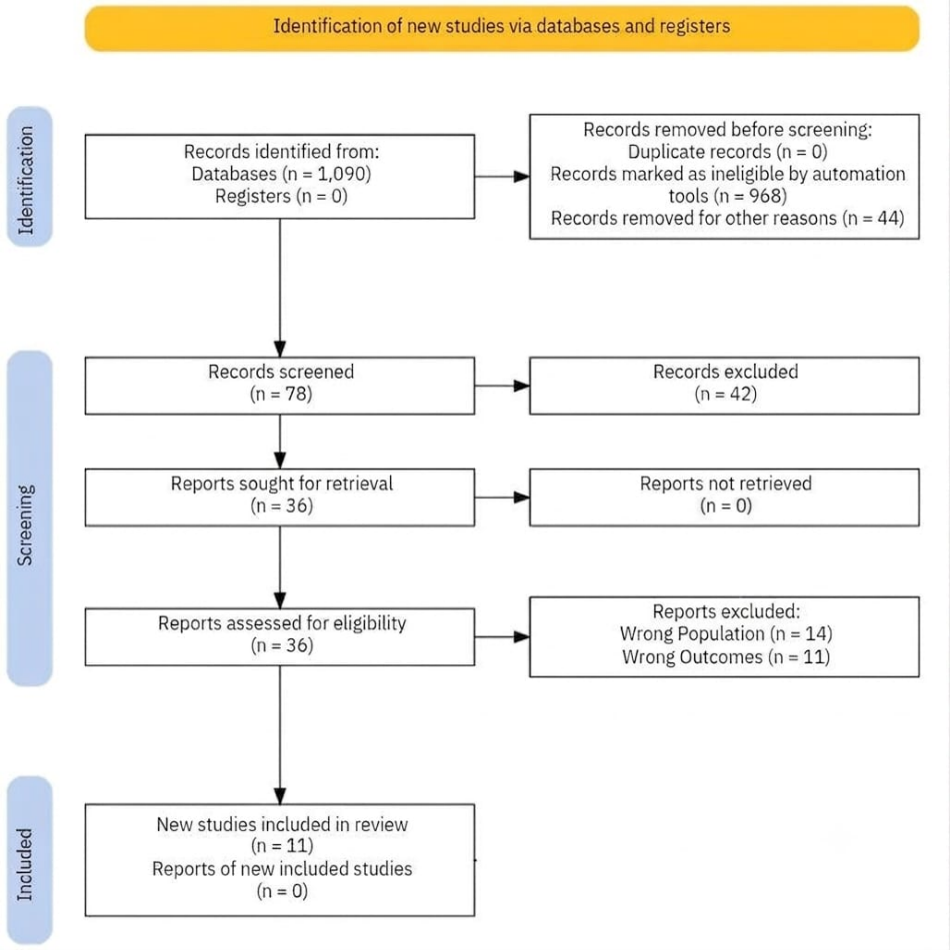
Background: Food safety is a critical concern in structured nutrition programmes, such as Indonesia's Free Nutritious Meal Programme (MBG). Traditional hygiene practices alone may not effectively prevent food contamination, and the Hazard Analysis and Critical Control Points (HACCP) framework has been proposed as a more thorough, proactive alternative. Objective: This review compared HACCP with conventional sanitation practices and assessed its potential as a formal food safety framework for MBG.Methods: PubMed and ScienceDirect for articles published between 2020 and 2026 were searched using the PICO framework for open-access, English-language studies on HACCP and food safety in institutional catering published within the past decade. Following PRISMA-guided screening, 11 studies met all eligibility criteria and were included. Results: Included studies consistently found weaknesses in sanitation practices, food handlers' knowledge and behaviour, temperature control, and microbial contamination under conventional systems, while HACCP adoption improved hazard identification, compliance, hygiene monitoring, and microbial control.Conclusion: HACCP offers a more thorough, proactive approach than conventional sanitation alone and is recommended as MBG's core food-safety framework to reduce contamination risk and support the programme's long-term sustainability
Downloads
References
Abegaz SB. Food safety practices and associated factors in food operators: a cross-sectional survey in the students' cafeteria of Woldia University, North Eastern Ethiopia. Int J Food Sci. 2022;2022:7400089.
ANTARA News. BGN: seluruh SPPG harus miliki sertifikat HACCP terakreditasi KAN [Internet]. Jakarta: ANTARA; 2025 Oct 2 [cited 2026 Jul 5]. Available from: https://www.antaranews.com/berita/5148749/bgn-seluruh-sppg-harus-miliki-sertifikat-haccp-terakreditasi-kan
Badan Gizi Nasional. BGN: 198 SPPG sudah kantongi Sertifikat Laik Higiene Sanitasi [Internet]. Jakarta: Badan Gizi Nasional; 2025 Oct 1 [cited 2026 Jul 5]. Available from: https://bgn.go.id/news/berita/bgn-198-sppg-sudah-kantongi-sertifikat-laik-higiene-sanitasi
Bigson K, Essuman EK, Lotse CW. Food hygiene practices at the Ghana School Feeding Programme in Wa and Cape Coast cities. J Environ Public Health. 2020;2020:9083716.
Bujang NNA, Wahil MSA, Abas SA, Amin KHAK, Zulkifli NI, Shah SM, et al. Outbreak of foodborne disease in a boarding school, Negeri Sembilan state, Malaysia, 2021. West Pac Surveill Response J. 2023;14(3).
IDN Times. JPPI catat 37.270 korban keracunan MBG sejak Januari 2025-Mei 2026 [Internet]. 2026 Jun [cited 2026 Jul 5]. Available from: https://www.idntimes.com/news/indonesia/jppi-catat-37-270-korban-keracunan-mbg-sejak-januari-2025-mei-2026-00-fcqw5-09484p
Kompas.com. Kemenkes catat 37.000 korban keracunan Program Makan Bergizi Gratis hingga Mei 2026 [Internet]. Jakarta: Kompas.com; 2026 May 12 [cited 2026 Jul 5]. Available from: https://regional.kompas.com/read/2026/05/12/184946778/kemenkes-catat-37000-korban-keracunan-program-makan-bergizi-gratis-hingga
Lupattelli A, Primavilla S, Roila R, Felici A, Tinaro M. Microbiological safety and quality of meals and work surfaces in collective catering systems in central Italy: a five-year monitoring study. Biology. 2023;12(1):64.
Madlala SS, Mchunu N, Dalasile M, Pierneef R, Reddy P. Metagenomic evaluation of food hygiene practices in the National School Nutrition Programme in KwaZulu Natal, South Africa. Health SA Gesondheid. 2025;30(0):a2814.
Makbul M, Dharmawan A, Muhaimin. Inkonsistensi kebijakan sertifikasi keamanan pangan pada Satuan Pelayanan Pemenuhan Gizi (SPPG) dalam Program Makan Bergizi Gratis. J Law Adm Sci. 2026;4(1):35-51.
Makhunga SE, Macherera M, Hlongwana K. Food handlers' knowledge, attitudes and self-reported practices regarding safe food handling in charitable food assistance programmes in the eThekwini District, South Africa: cross-sectional study. BMJ Open. 2023;13(3):e065357.
Osimani A, Milanović V, Aquilanti L, Polverigiani S, Garofalo C, Clementi F. Hygiene auditing in mass catering: a 4-year study in a university canteen. Public Health. 2018;159:17-20.
Sibanyoni JJ, Tshabalala PA, Tabit FT. Food safety knowledge and awareness of food handlers in school feeding programmes in Mpumalanga, South Africa. Food Control. 2017;73:1397-1406.
Siddiky A, Mollick K, Aktarujjaman M, Islam F, Mamun MA, Roy N. Determinants of food safety knowledge and practices among food handlers in Bangladesh: an institution-based cross-sectional study. Heliyon. 2024;10(4):e25970.
Tamiru Y, Ayelign A, Mulugeta A, Gebremedhin S. Microbiological safety assessment of ready-to-eat cooked foods in the Addis Ababa School Feeding Program, Ethiopia. Heliyon. 2024;10(18):e38110.
Vitória AGD, Oliveira JDSC, Pereira LCDA, Faria CPD, São José JFBD. Food safety knowledge, attitudes and practices of food handlers: a cross-sectional study in school kitchens in Espírito Santo, Brazil. BMC Public Health. 2021;21:349.
Wangge G, et al. Keracunan massal pada MBG: akibat aturan keamanan pangan hanya formalitas? The Conversation Indonesia [Internet]. 2026 May 4 [cited 2026 Jul 5]. Available from: https://theconversation.com/keracunan-massal-pada-mbg-akibat-aturan-keamanan-pangan-hanya-formalitas-277230
Downloads
Published
How to Cite
Issue
Section
License
Copyright (c) 2026 Journal of Diverse Medical Research : Medicosphere

This work is licensed under a Creative Commons Attribution 4.0 International License.
CC Attribution 4.0





 This journal applies the Creative Commons Attribution 4.0 International License (CC BY 4.0), which permits unrestricted use, distribution, and reproduction in any medium, provided the original author and source are properly credited.